Stage 0101
Recovered input
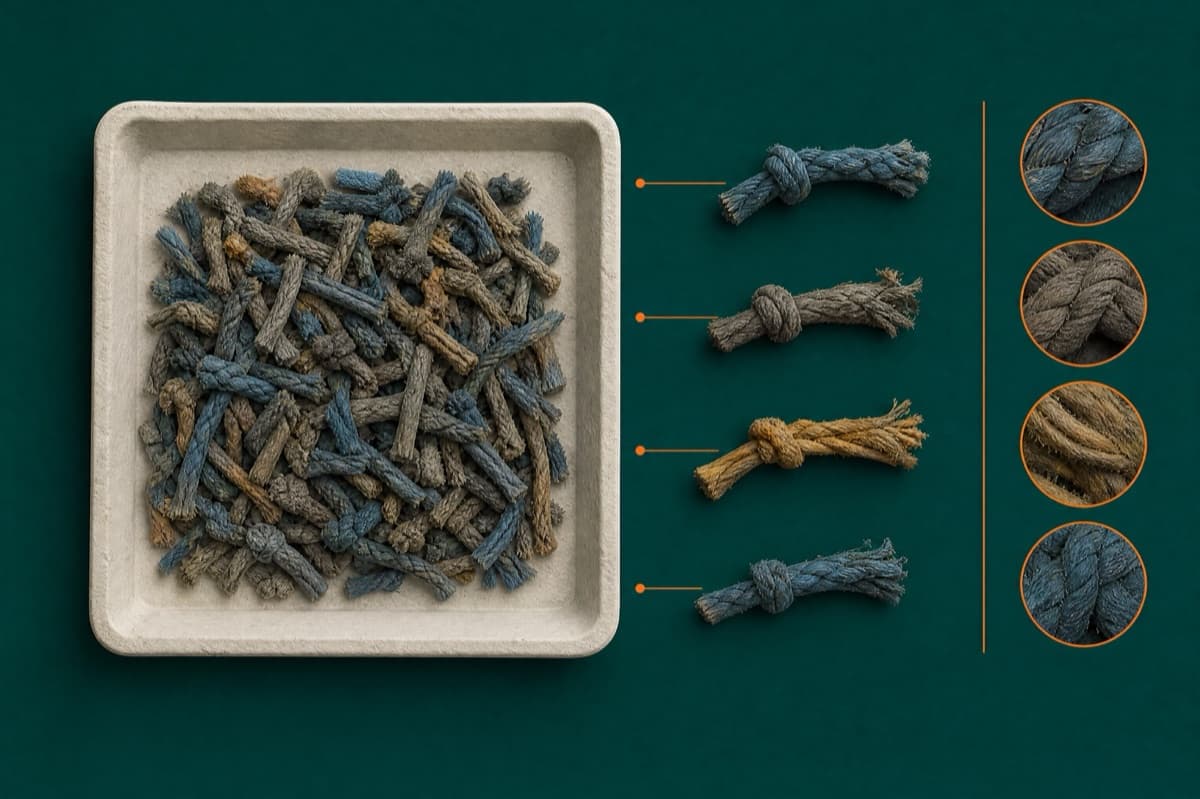
- 84% polyamide
- Reclaimed fishing gear
Material Trace
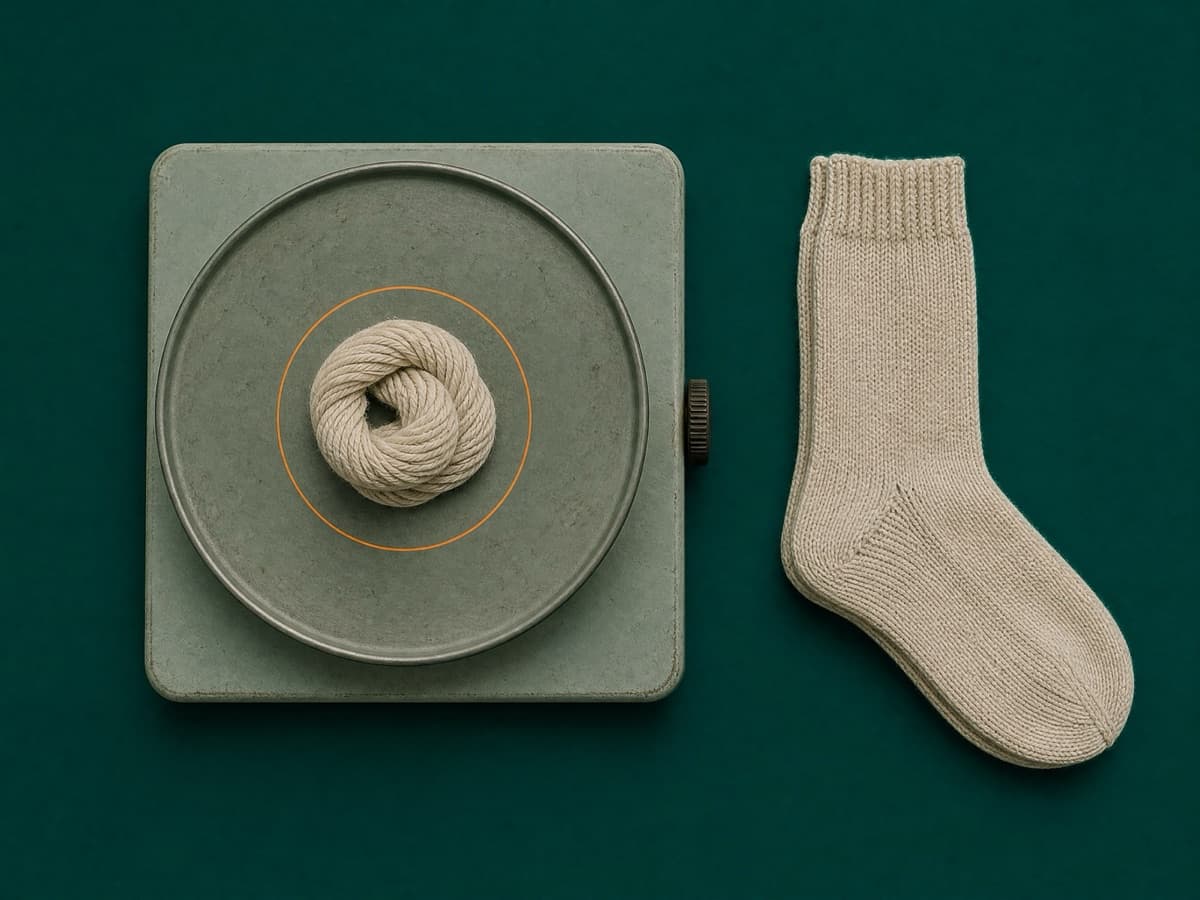
Pick any of the 42 socks and read its material backwards: what category it was recovered from, how it was turned back into fibre, what share of the yarn it makes up, and what the finished sock is made of. Where a supplier has not told us something, the stage says so instead of guessing.
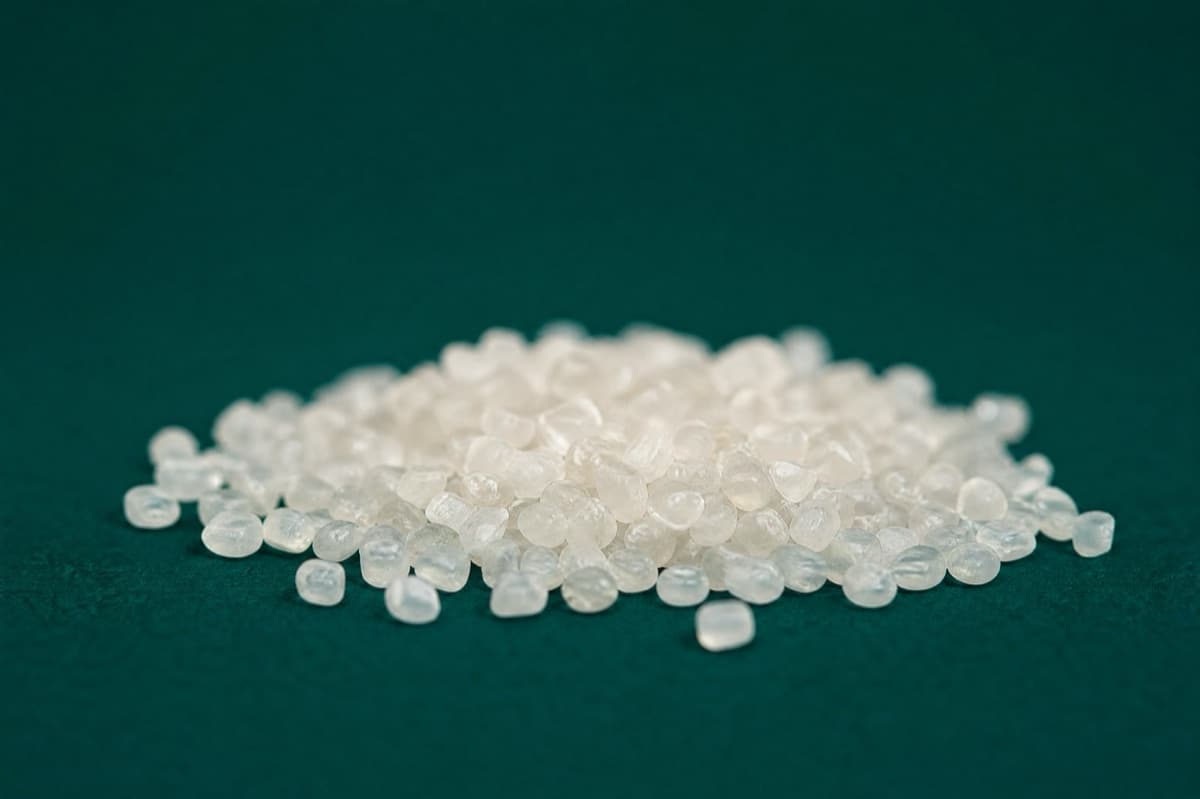
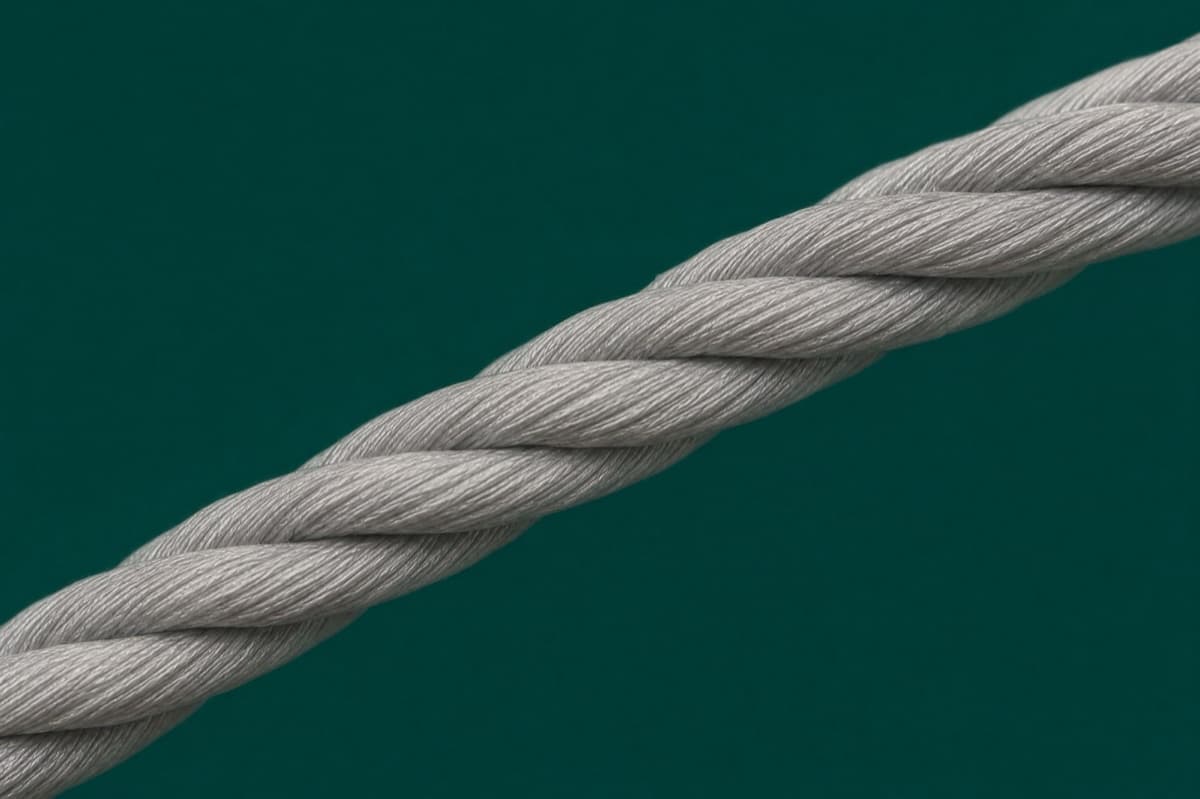
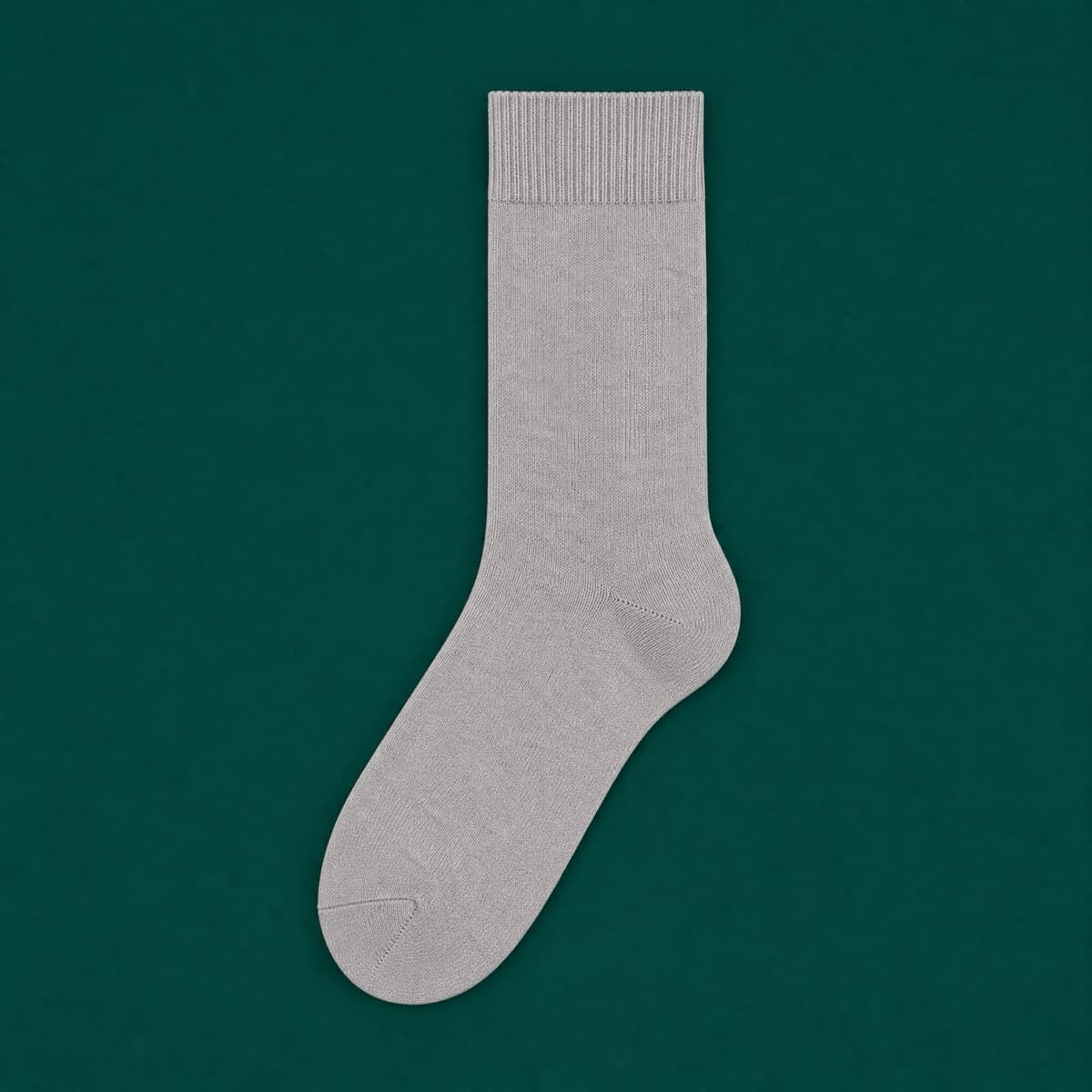
Every percentage on this site is a share of yarn weight. It is the weight of recycled fibre in the yarn used to knit the sock, divided by the total weight of that yarn. It is not a share of the finished sock, and it is not a share of the packaging, the sewing thread or the elastic in the cuff.
We use that basis because it is the one our yarn suppliers can actually declare. A number based on the finished sock would look larger or smaller depending on how much thread went into the toe seam, and we would not be able to show you where it came from.
Recycled fibre is declared to us per batch of yarn. Where two recycled fibres are blended into the same sock, each is listed separately with its own source category and its own processing route, because they do not come from the same stream.
We state a source category — reclaimed fishing gear, textile waste, reprocessed wool. We do not state a sea area, a port, a collection site or a mill, because we cannot verify any of those and would only be repeating a supply chain story back to you.
No product on this site carries third-party certification. Every product page says so in plain words rather than leaving the field blank.
Filter by band
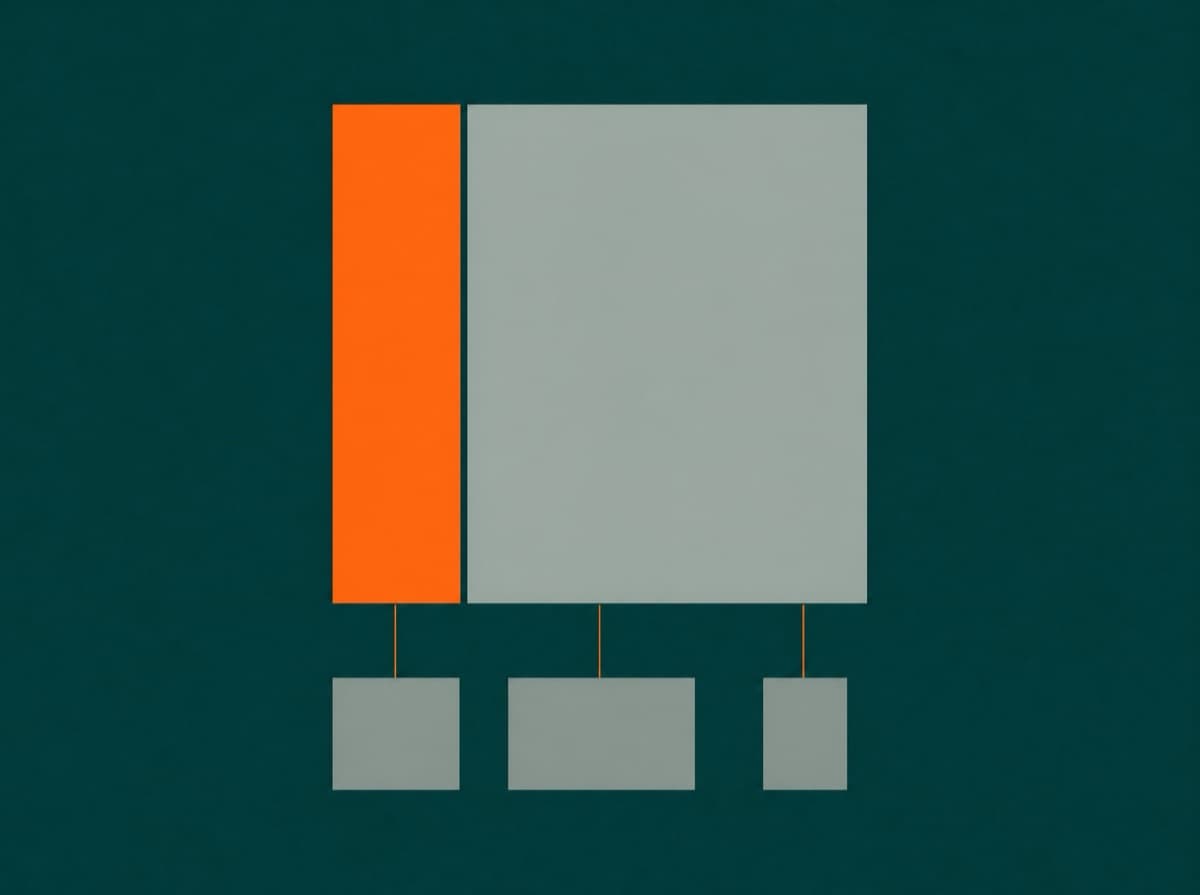
The four columns below use identical type, spacing, borders and colour. A sock at 12% is presented exactly like a sock at 84%, because ranking them visually would be a claim about which one is better, and we have no basis for that claim.
8 products
10 products
20 products
4 products
These four lines appear on every trace, for every sock, whatever the number turns out to be.