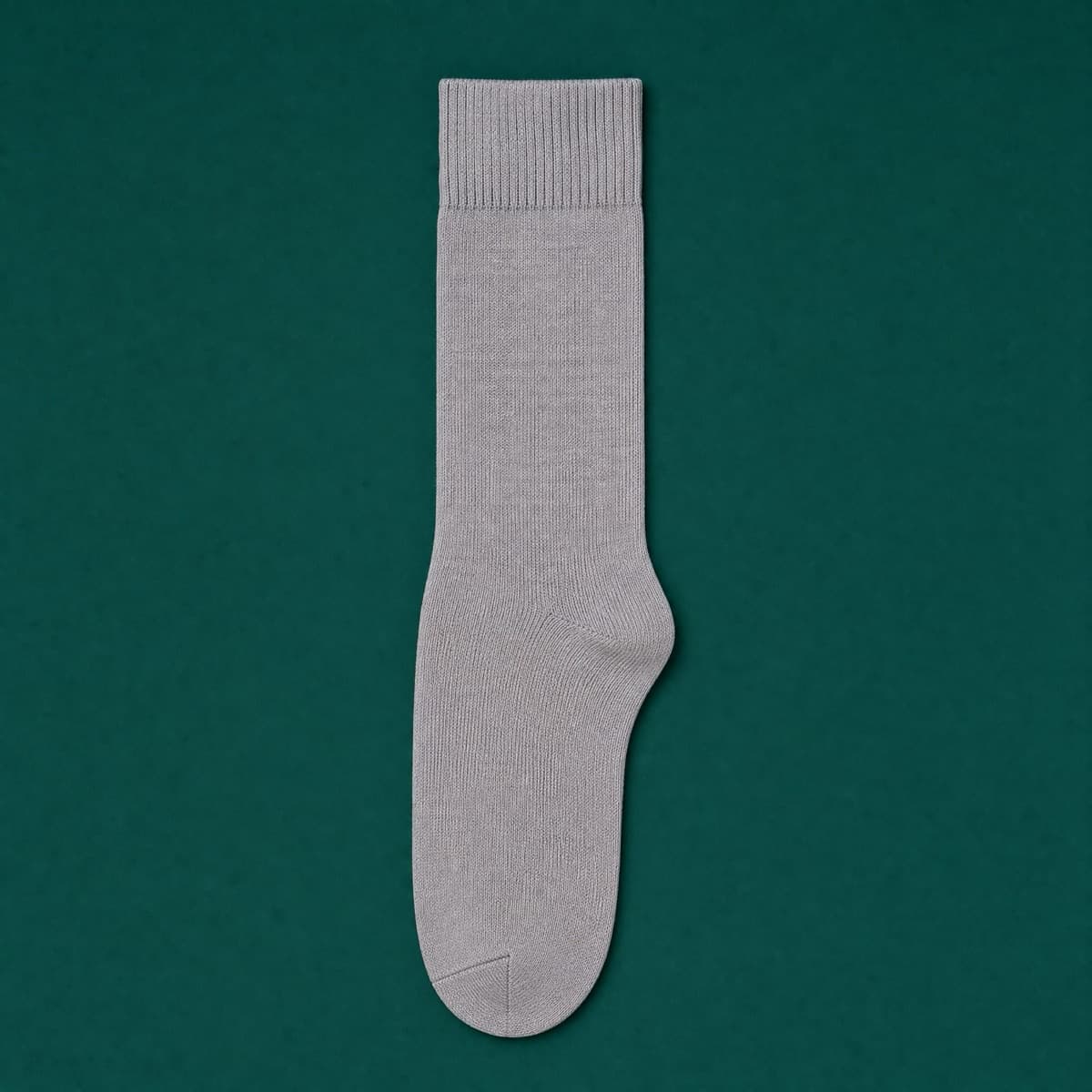
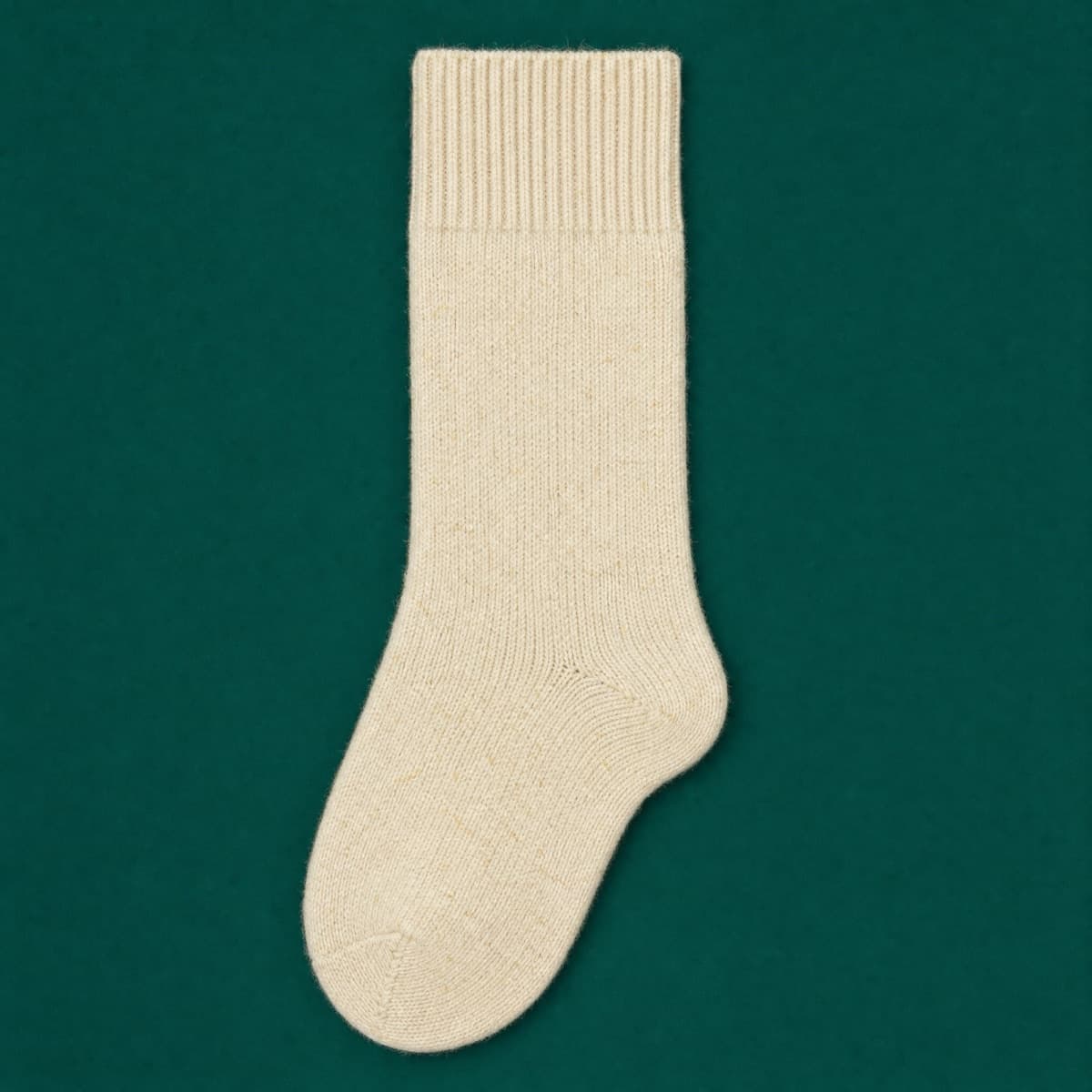
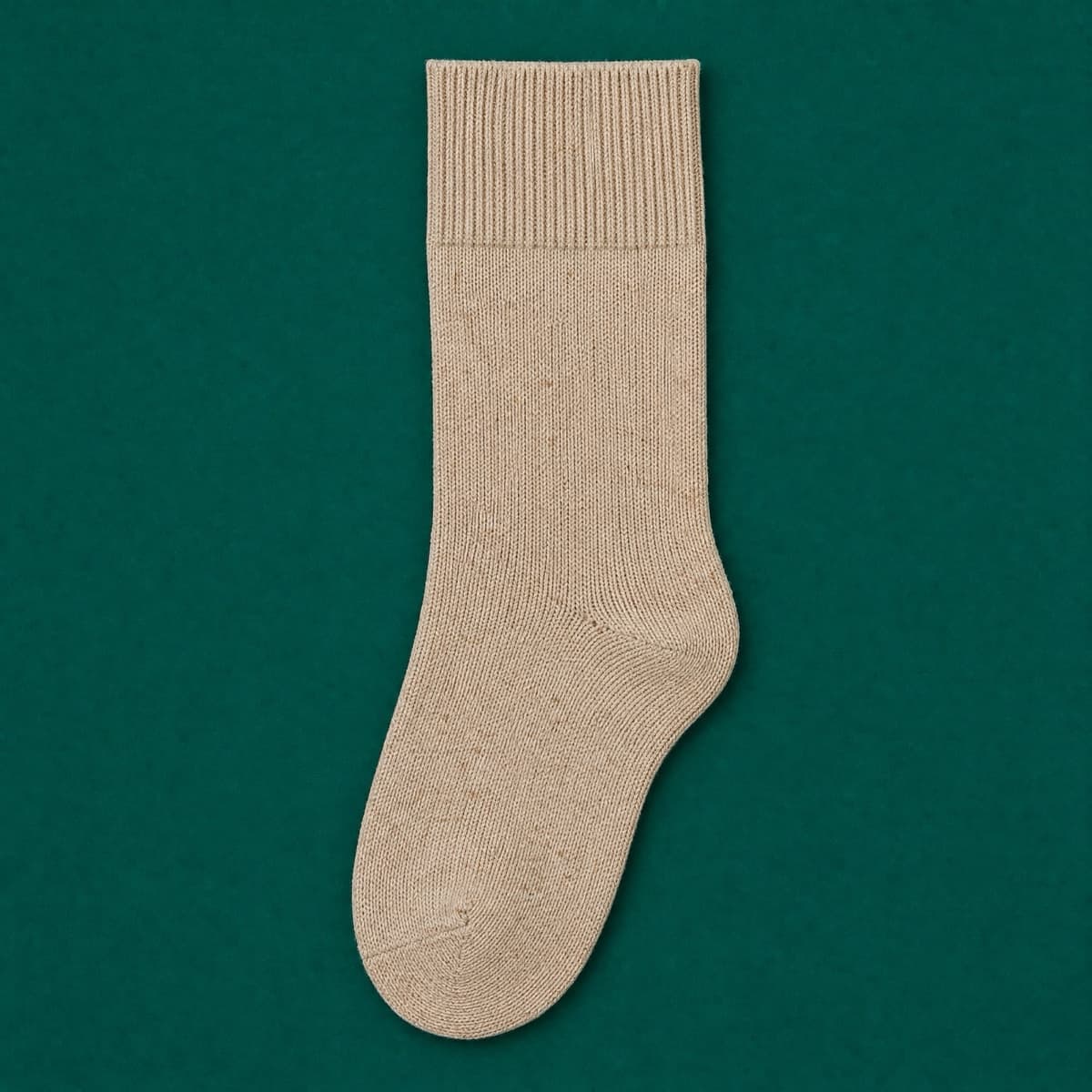
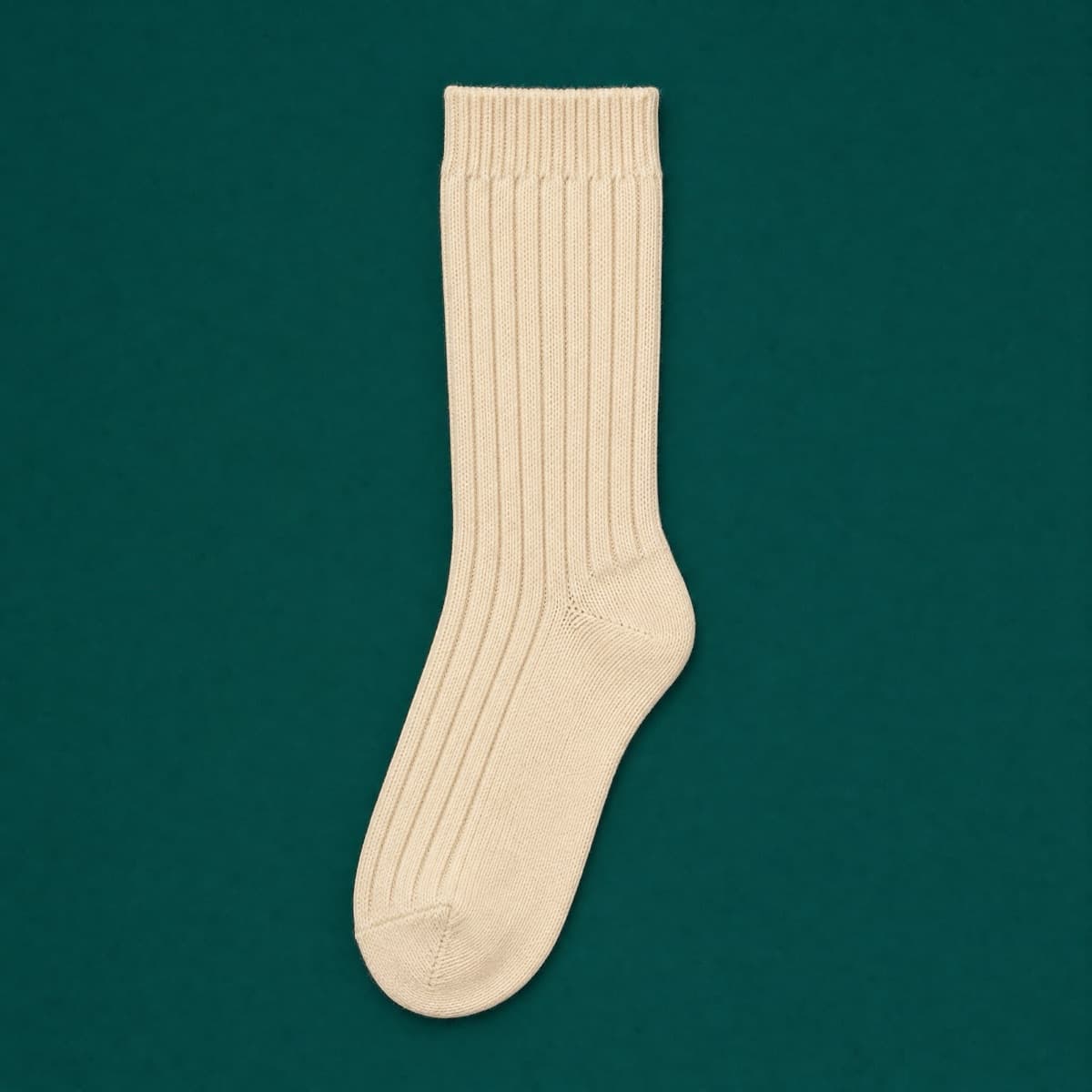
Stage 0101
Recovered input
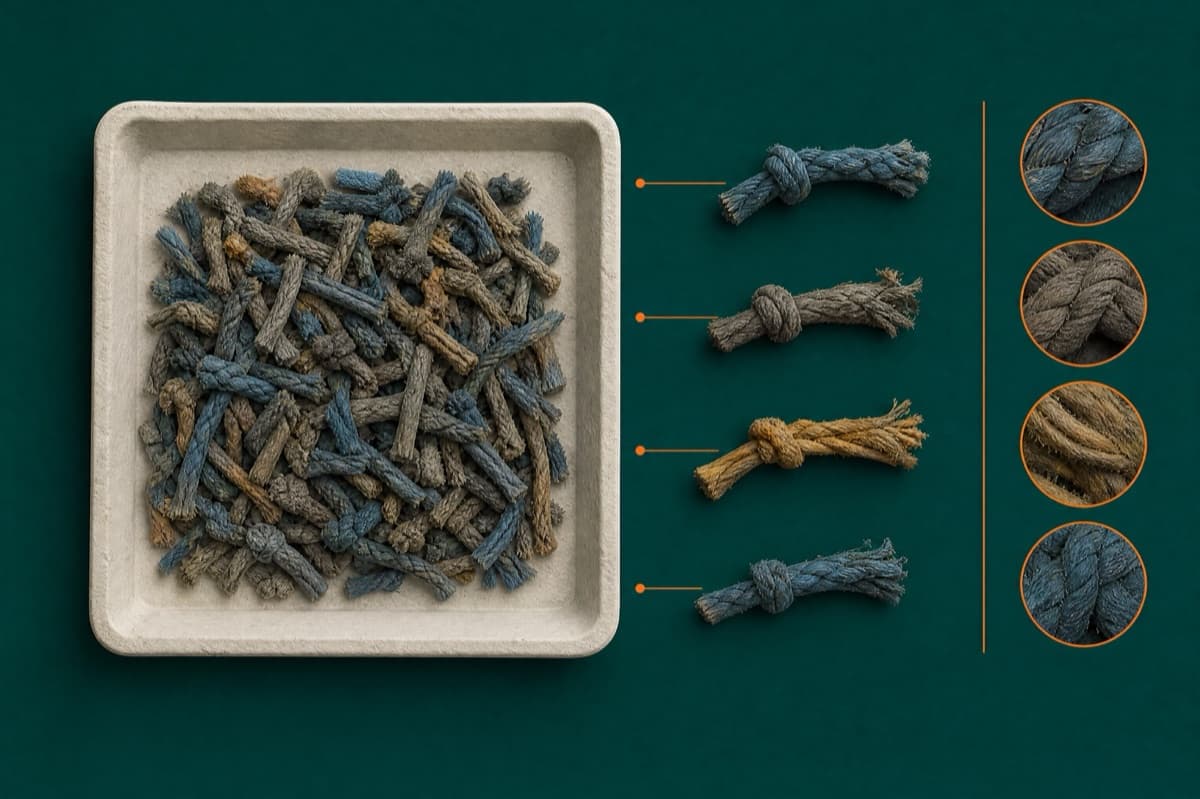
- 84% polyamide
- Reclaimed fishing gear
Every sock, by the number
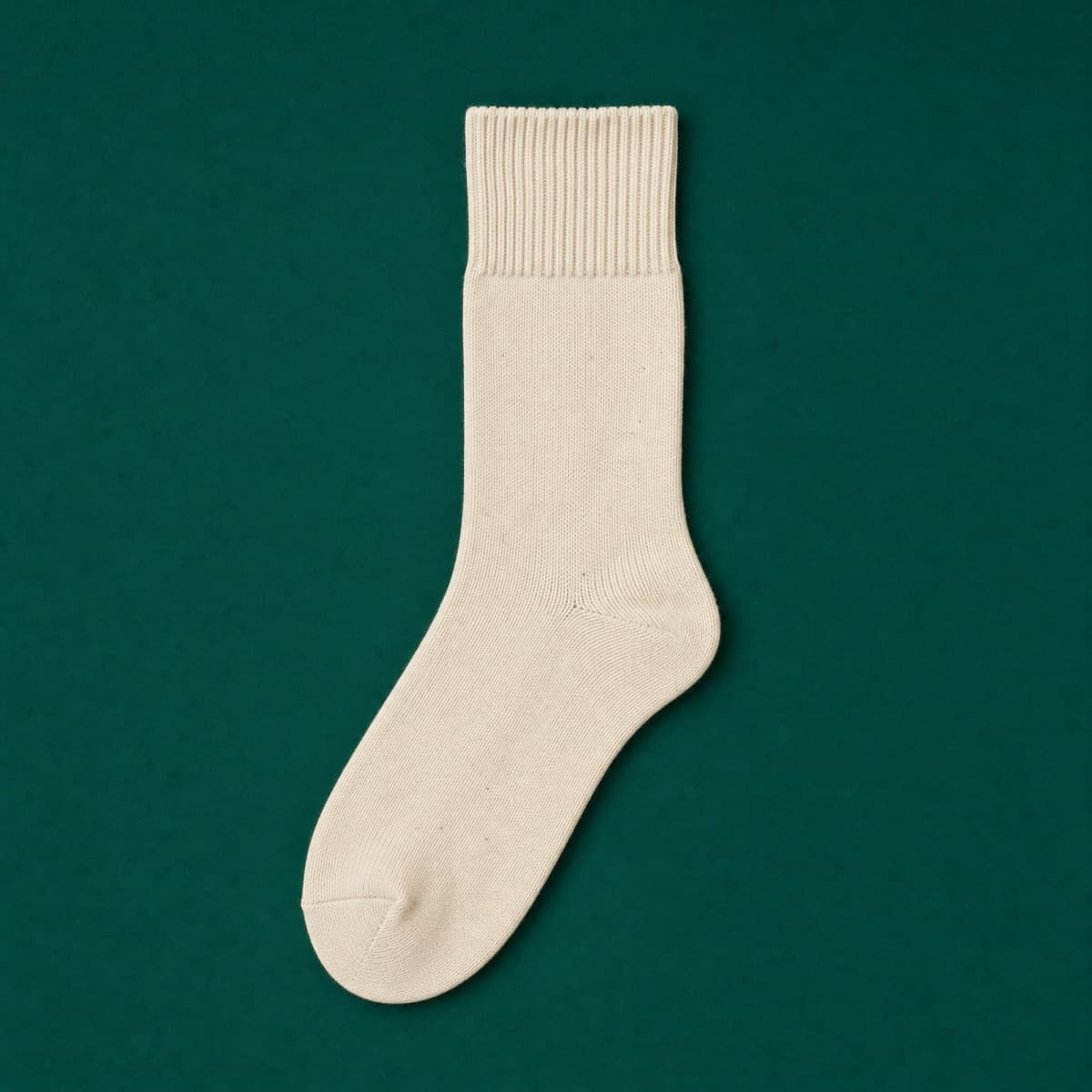
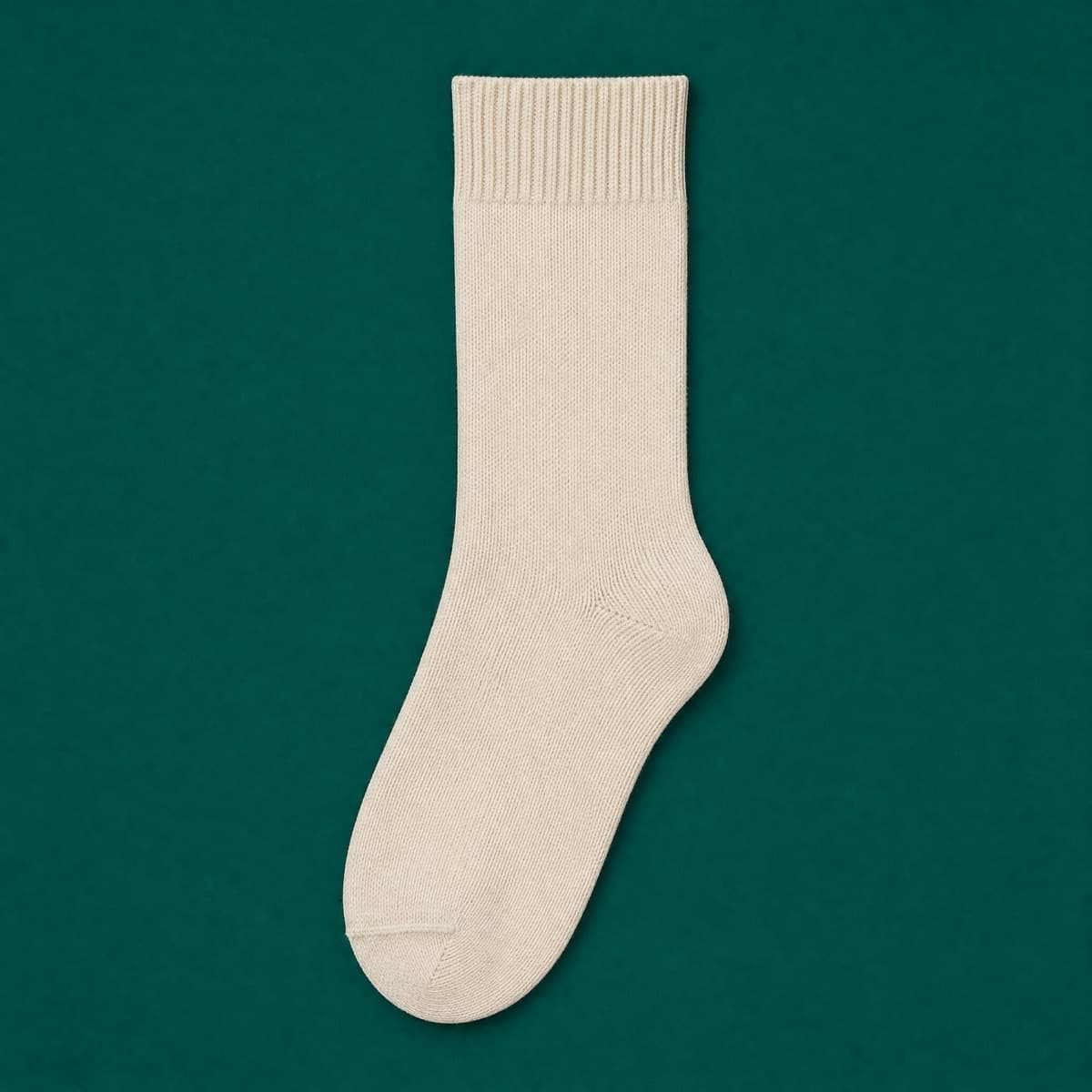
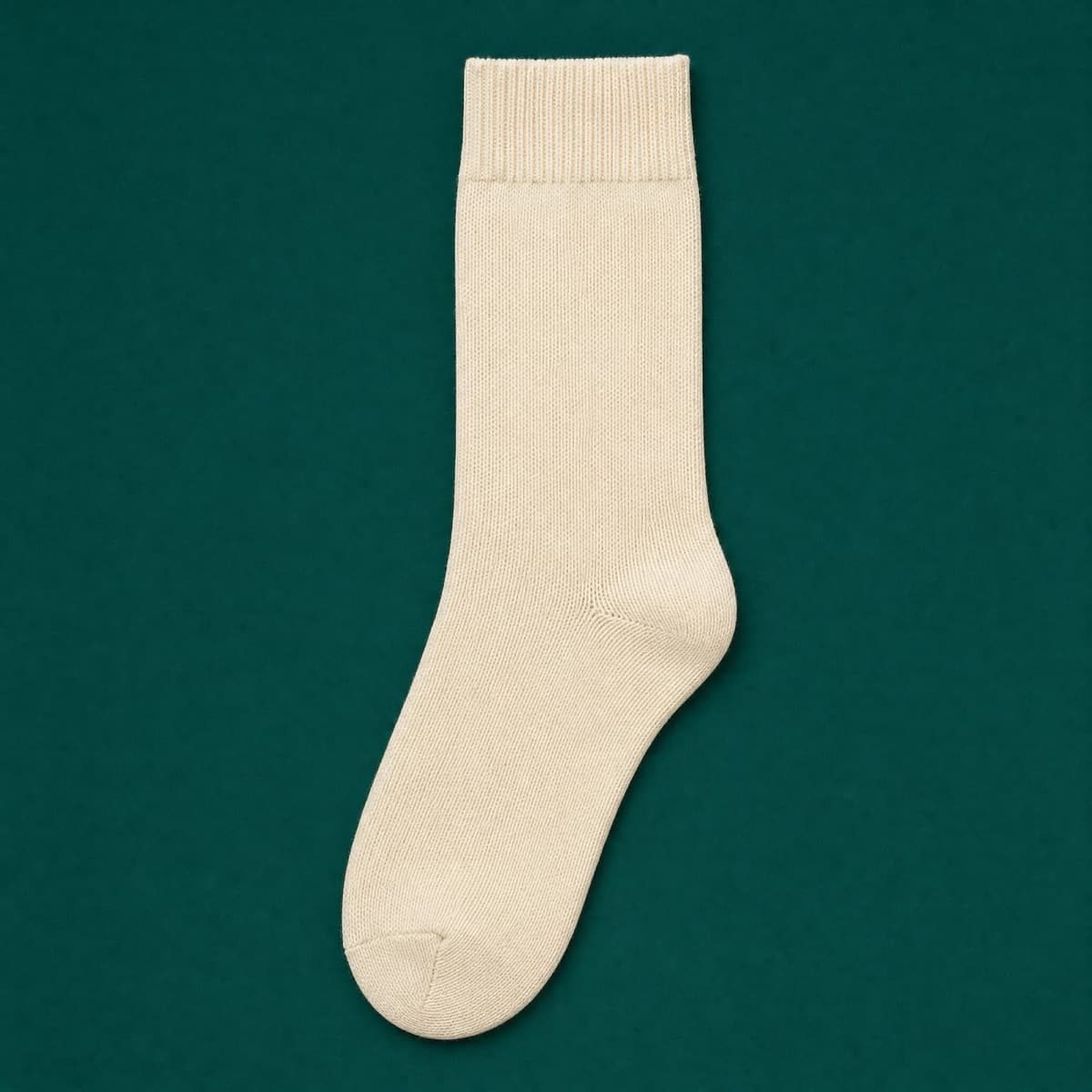
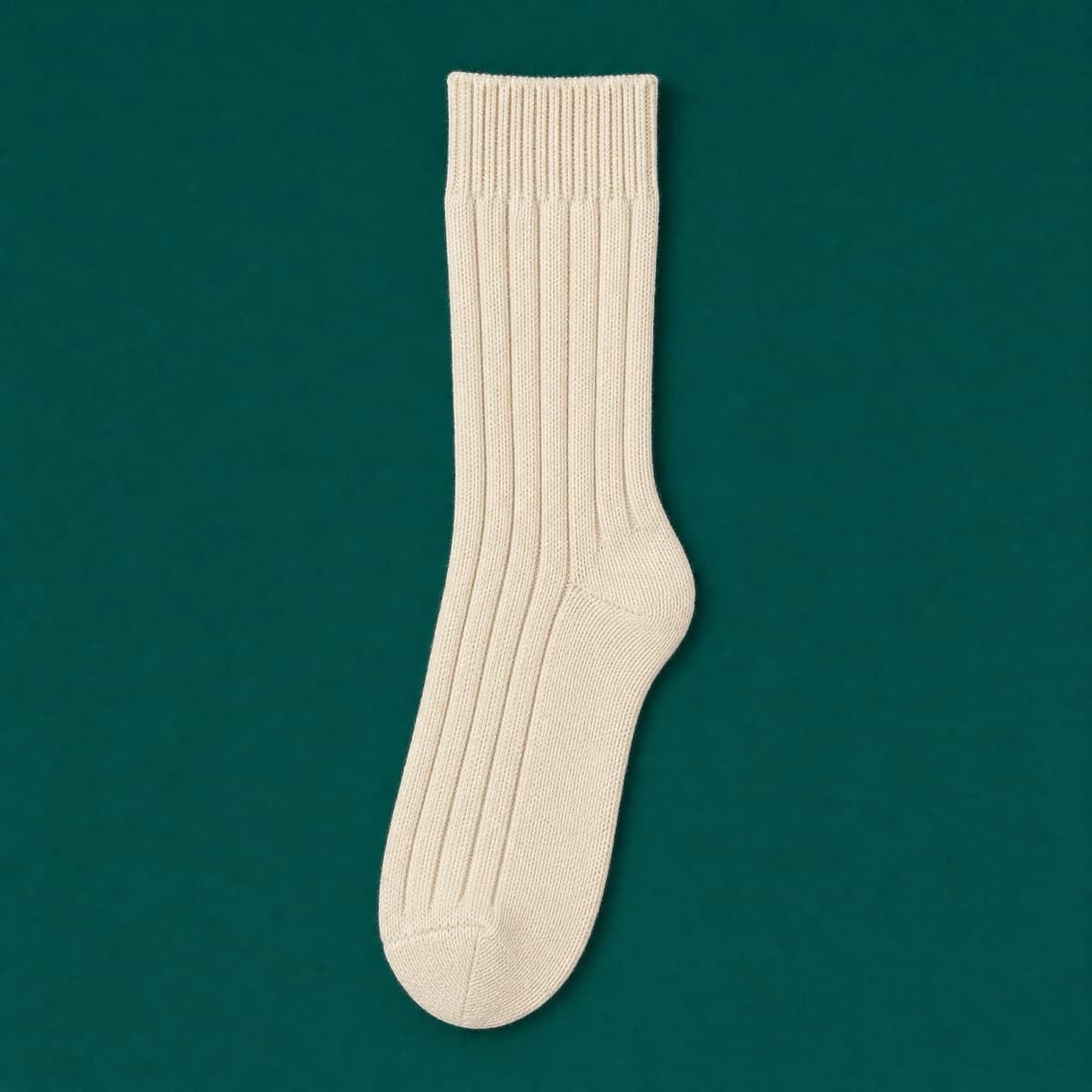
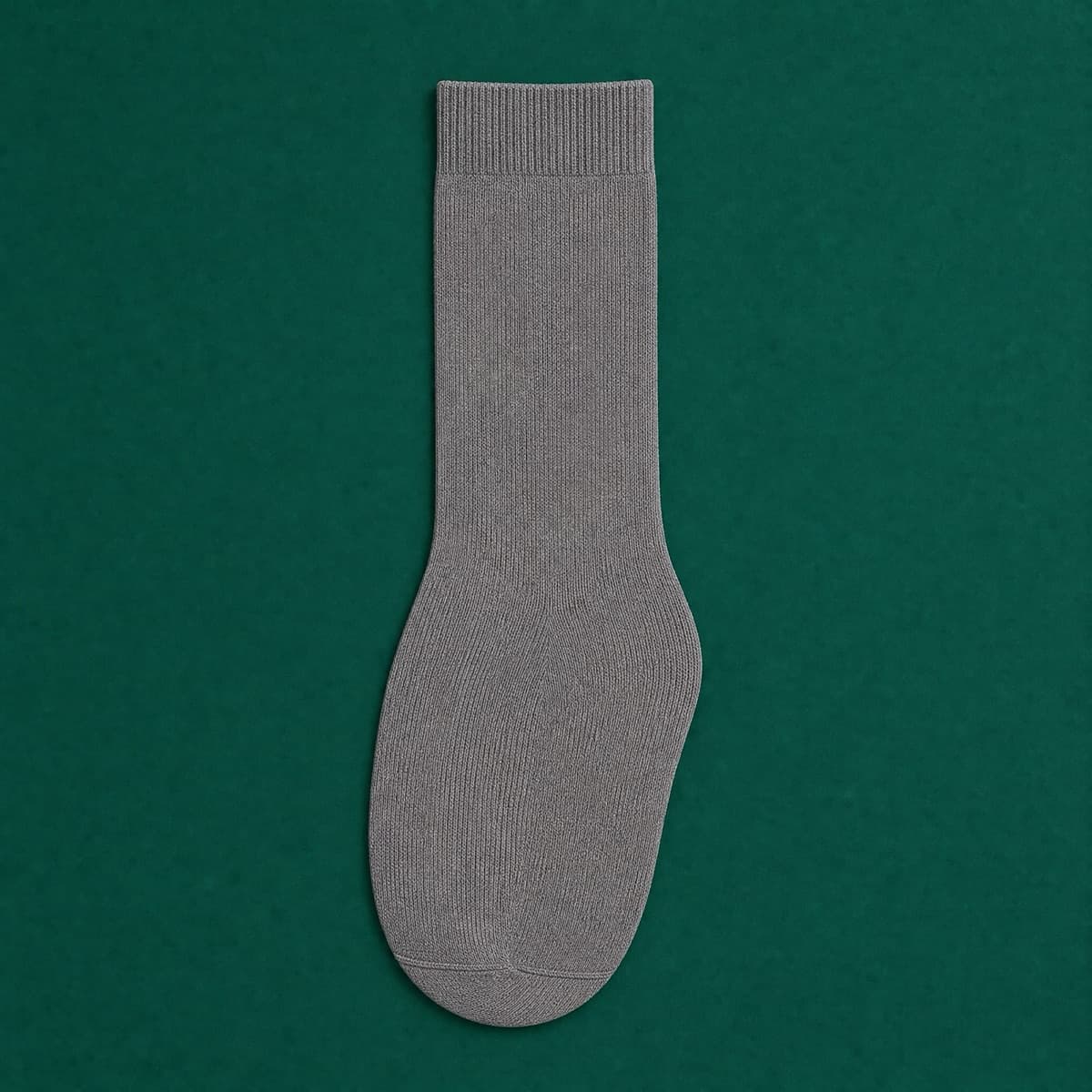
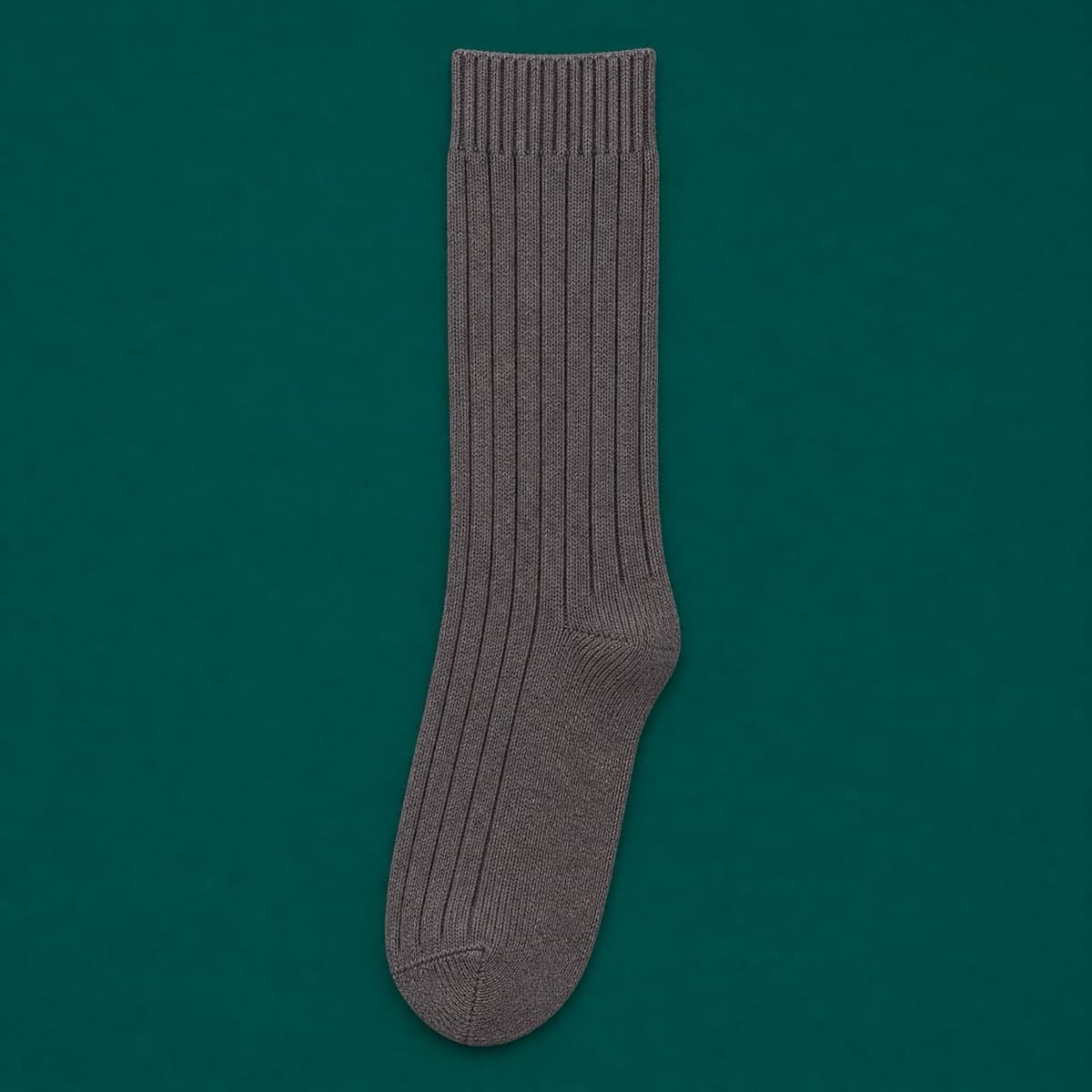
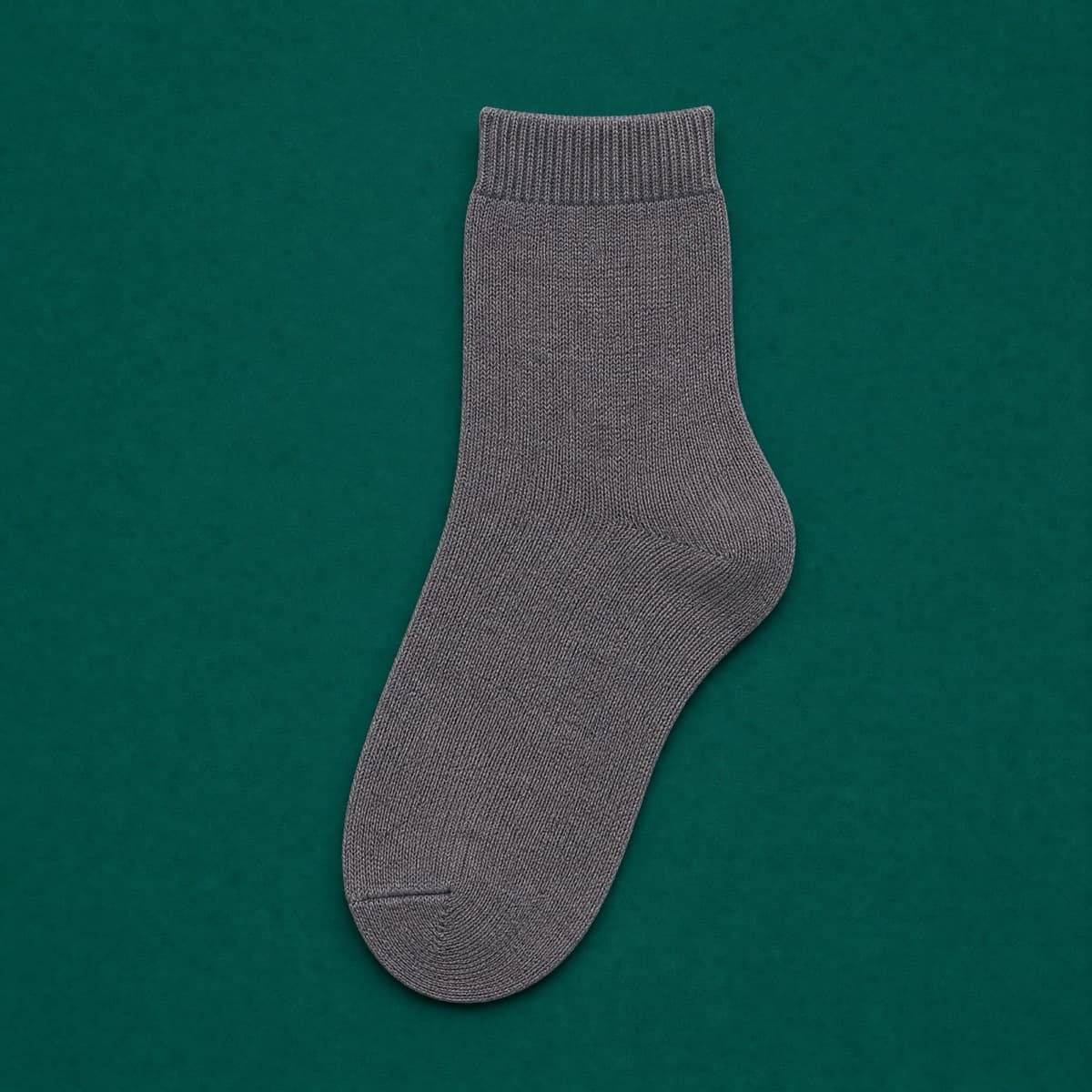
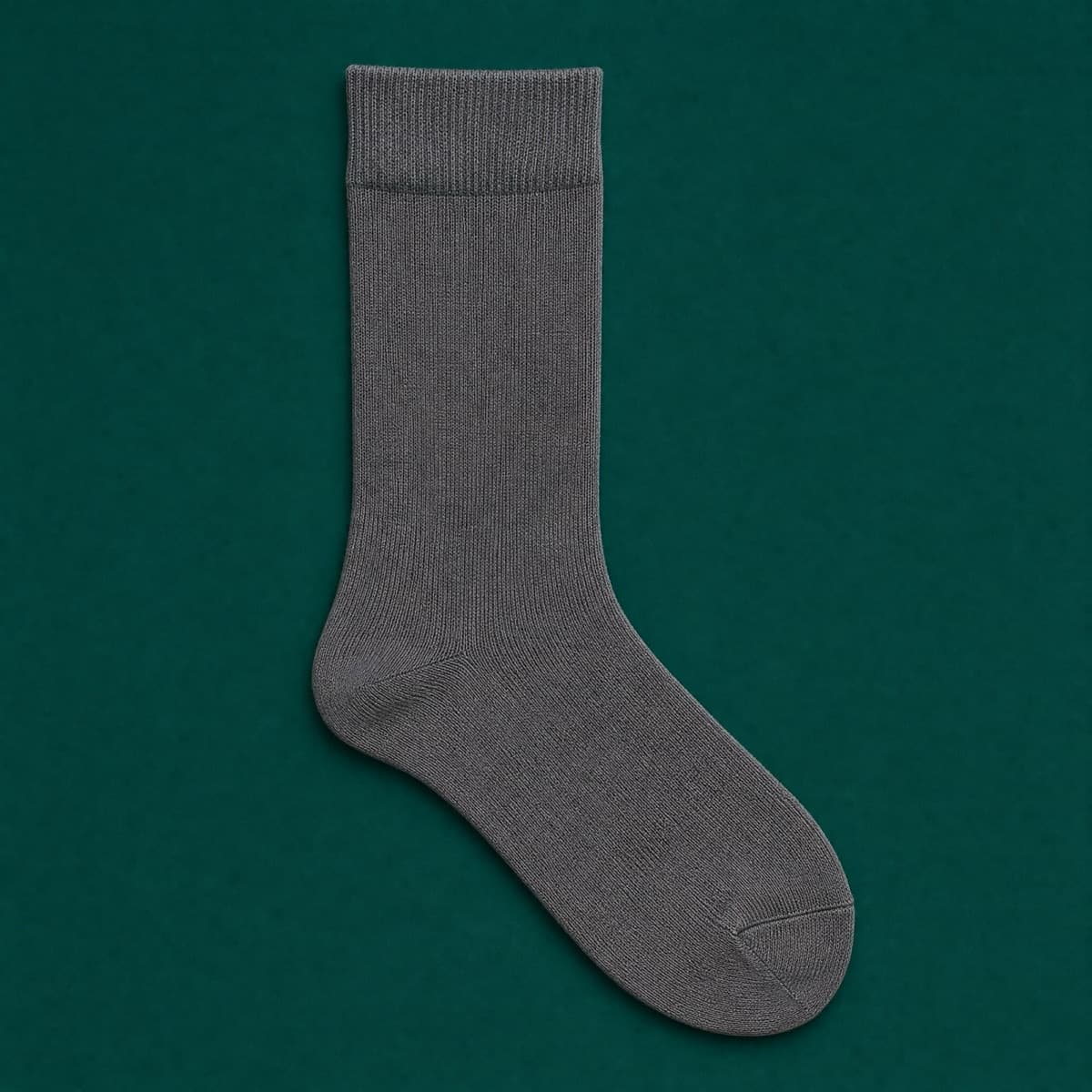
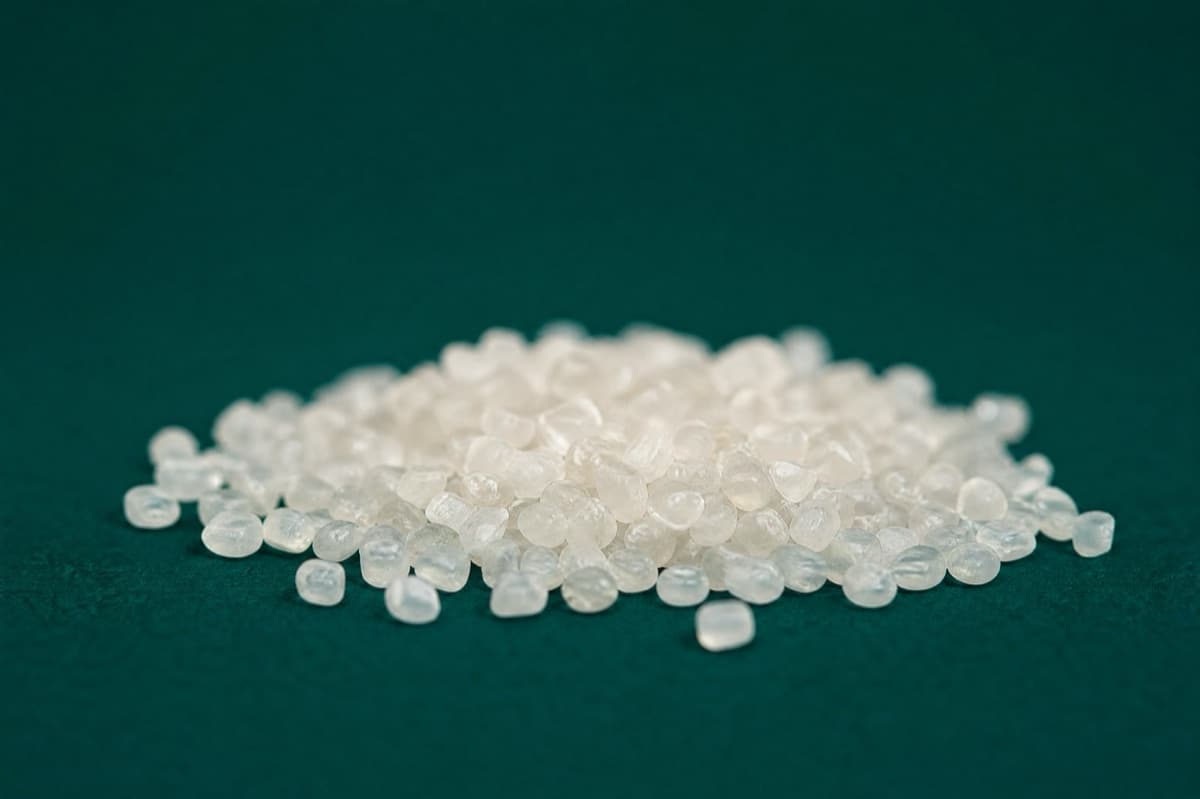
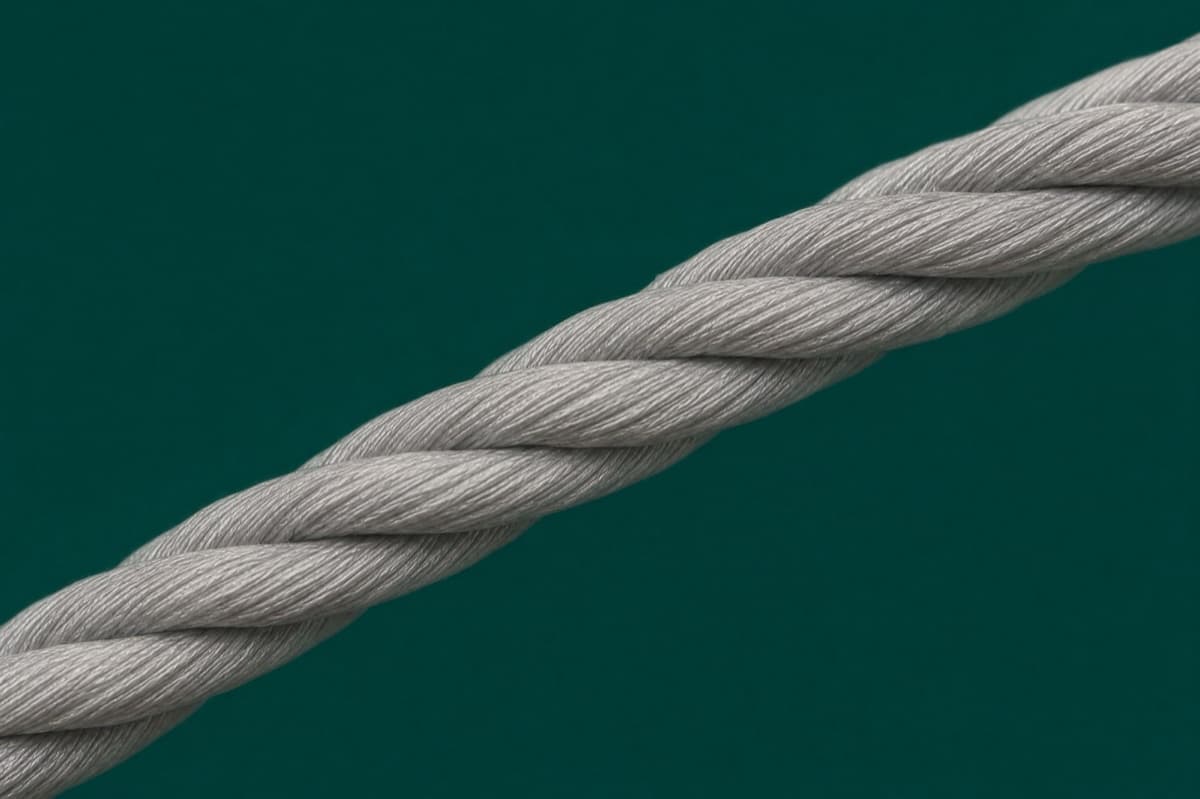
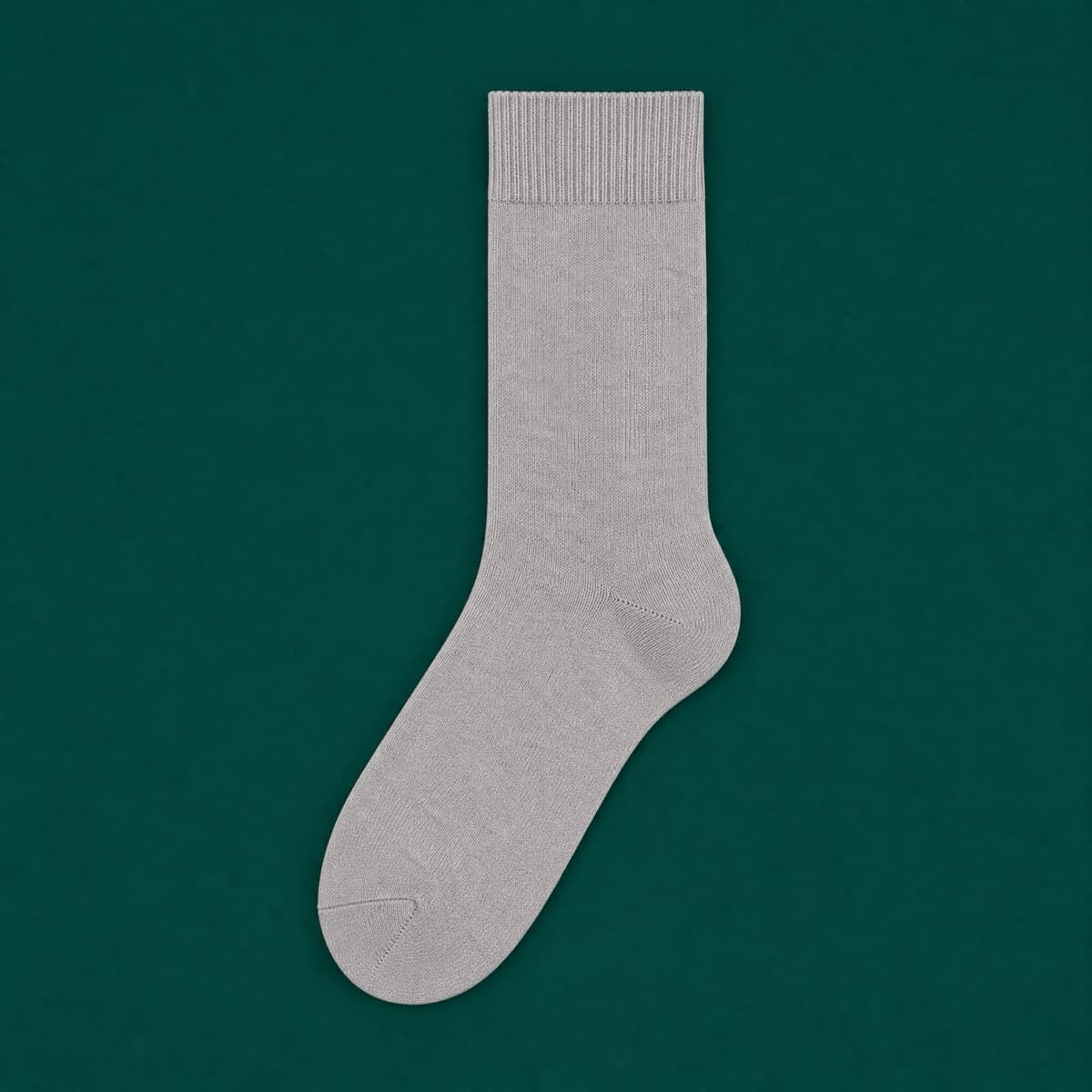
Netmark socks carry a number, not an adjective. Pick any sock below and follow its material through four stages — where it was recovered from, how it was turned back into fibre, what the yarn is, and what the finished sock is made of, including the share that was never recycled at all.
These have the lowest recycled content we sell. We list them because leaving them out would make our range look better than it is.
Line E runs from 12% to 25% recycled content. Every other retailer would quietly drop it and let the 84% sock speak for the whole range. We keep it, price it lowest, and show it in the same filters, at the same size, with the same treatment as everything else. A range average is not a product. The number that matters is the one on the sock you are actually buying.
Range spread
Both parts of every bar are drawn solid, at the same height. The share that is not recycled is never dimmed.
The four stages, filmed
The same four stages you can step through above, laid out as physical material. Nothing in this film is a stand-in: shredded technical netting, regranulate, spun yarn, finished sock. There is no location shot, because we cannot verify a location.
Every number attached to these stages appears on the product page of the sock it belongs to, together with the share that came from none of this.
Open Material TraceSix lines, organised by what the recycled fibre is
Polyamide recovered from end-of-life fishing gear, spun back into yarn.
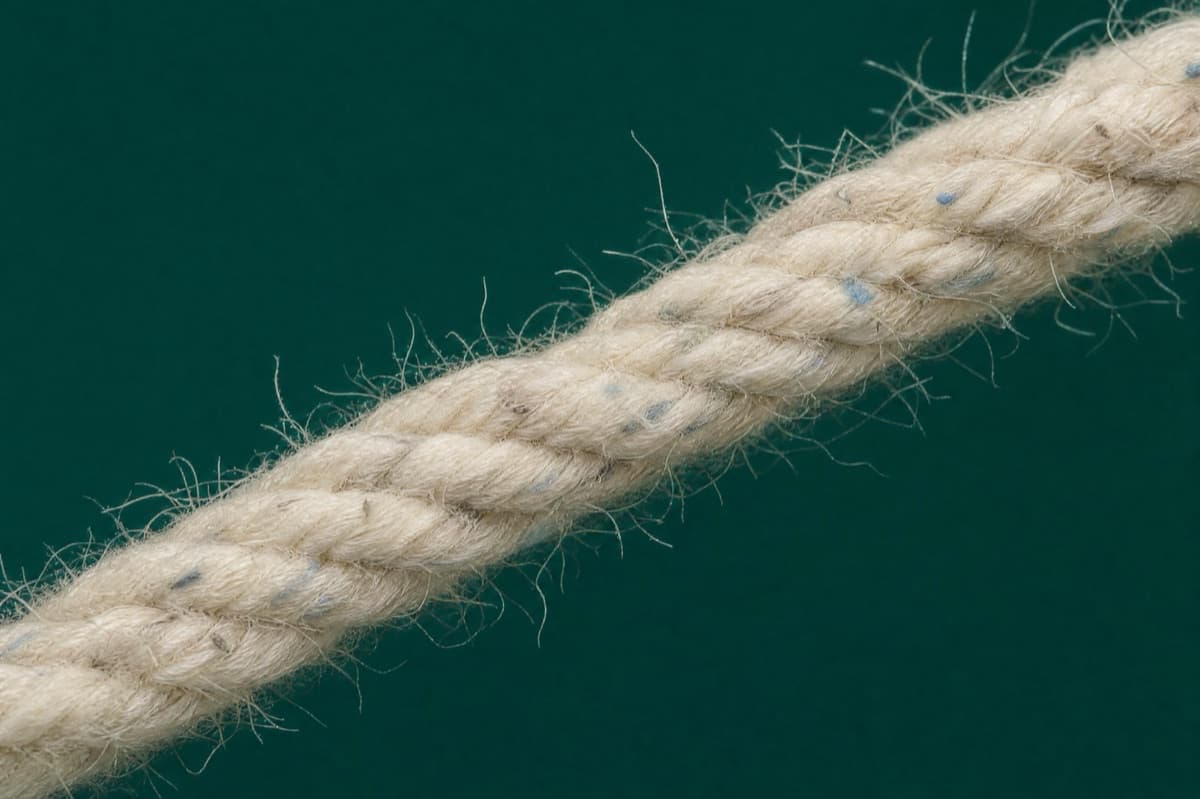
Cotton reclaimed from textile production waste and mechanically re-spun.
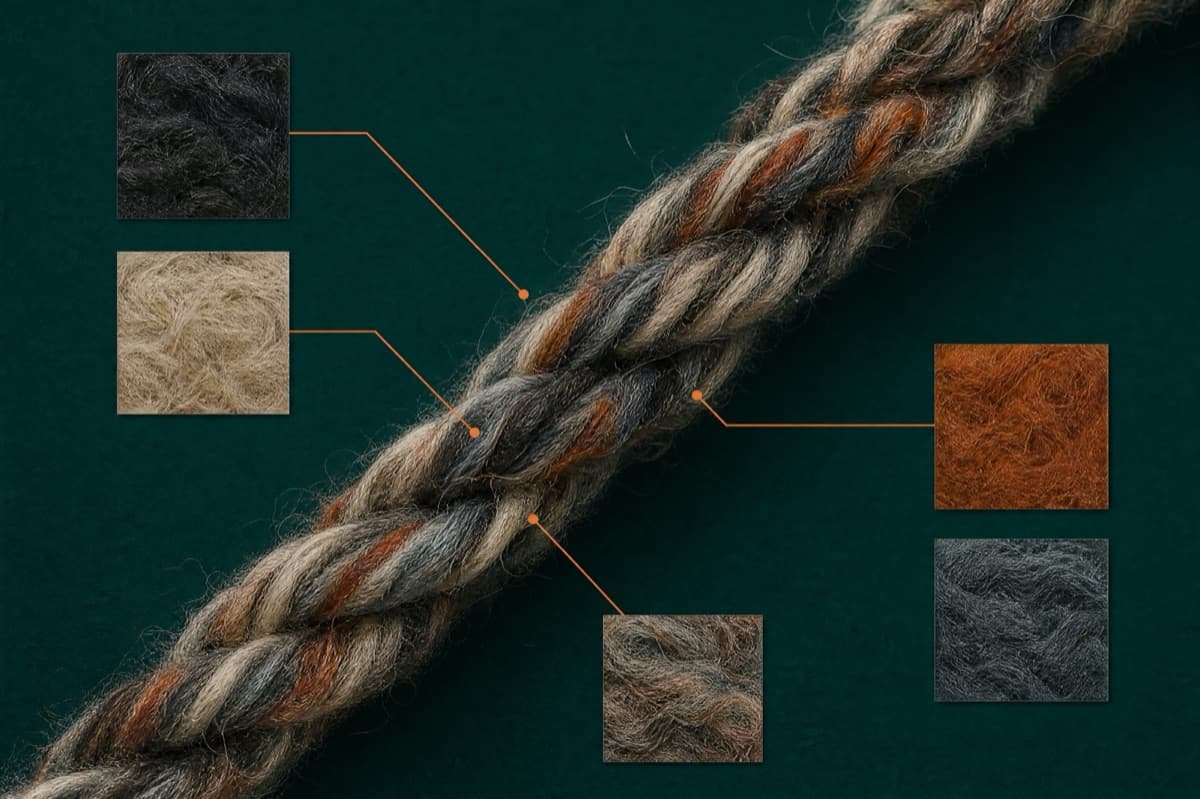
Wool pulled from reclaimed knitwear and re-spun without re-dyeing.
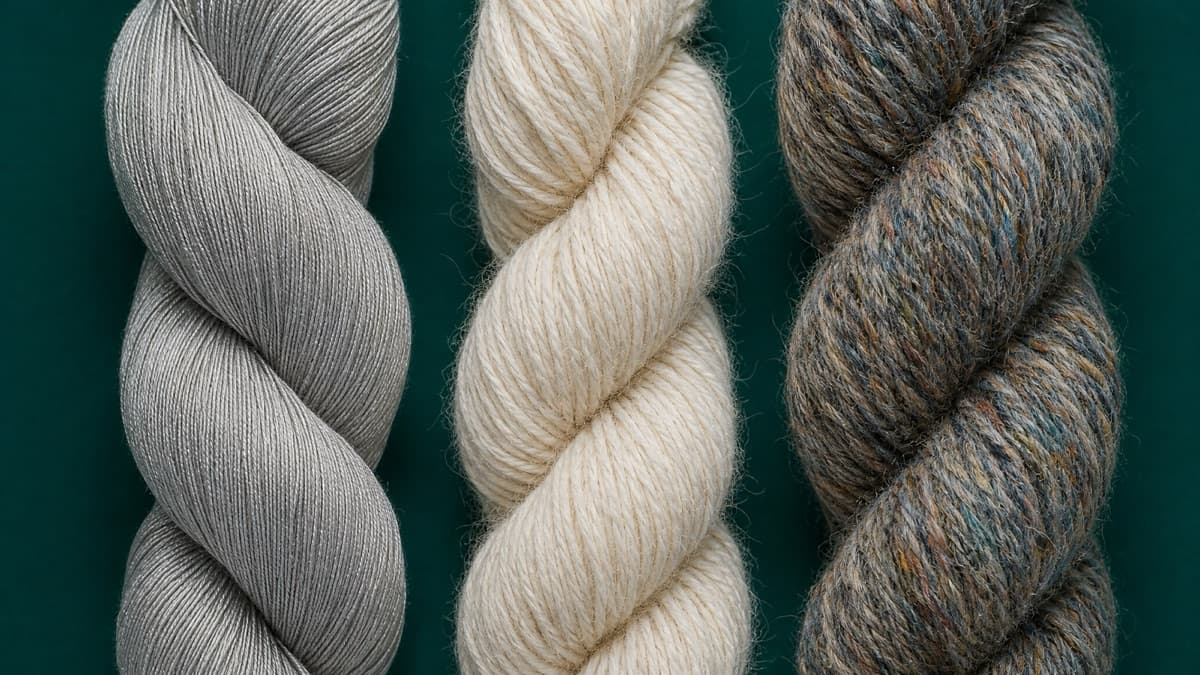
More than one recycled fibre in the same yarn.
The lowest recycled content we sell, listed rather than hidden.
The same sock, more pairs, one carton.
Filter by recycled share
A low band is not a warning and a high band is not a badge. The four bands below are drawn at identical size, weight and colour treatment, because presenting one as better than another would be a comparison we have no basis for.
Sizing
Every product page lists EU sizes against measured foot length in millimetres. Measure the foot, match the millimetres, ignore the shoe size on the box.
Ask us something specific
If you want to know the source category behind a particular sock, which processing route its recycled fibre went through, or how a number on this site was arrived at, send the question. If we do not know, the answer will say that.